How braces and aligners impact not only aesthetics, but also posture, bite, and well-being
A smile has power. It can open doors, break down barriers, and even transform the way a person sees themselves in the world. However, when we talk about oral health, we're not just talking about the aesthetic beauty of straight, white teeth. The mouth, teeth, and a correct bite directly influence self-esteem, posture, digestive health, and even the way we relate to others.
Orthodontic appliances and clear aligners, which have become even more popular in recent years, play a role far beyond aesthetics. They correct functional problems, improve quality of life, and provide emotional benefits that extend to various areas of life.
In this article, we'll explore how oral health, especially when it involves orthodontic treatments, goes far beyond a beautiful smile and profoundly impacts self-esteem and well-being.
Self-esteem starts with the mouth
It's no exaggeration to say that a smile is one of anyone's first calling cards. It's present in how we present ourselves in job interviews, on dates, in informal conversations, and even in moments of silence, when a simple smile can convey security or welcome.
When someone feels uncomfortable with their teeth, they tend to hide their smile, speak less, and even avoid social situations. This self-limitation directly impacts self-esteem and often leads to insecurity.
Taking care of your oral health and seeking orthodontic corrections, therefore, is more than just investing in aesthetics. It's about paving the way for self-confidence, a more confident approach to life, and healthier interpersonal relationships.
Braces and aligners: allies of transformation
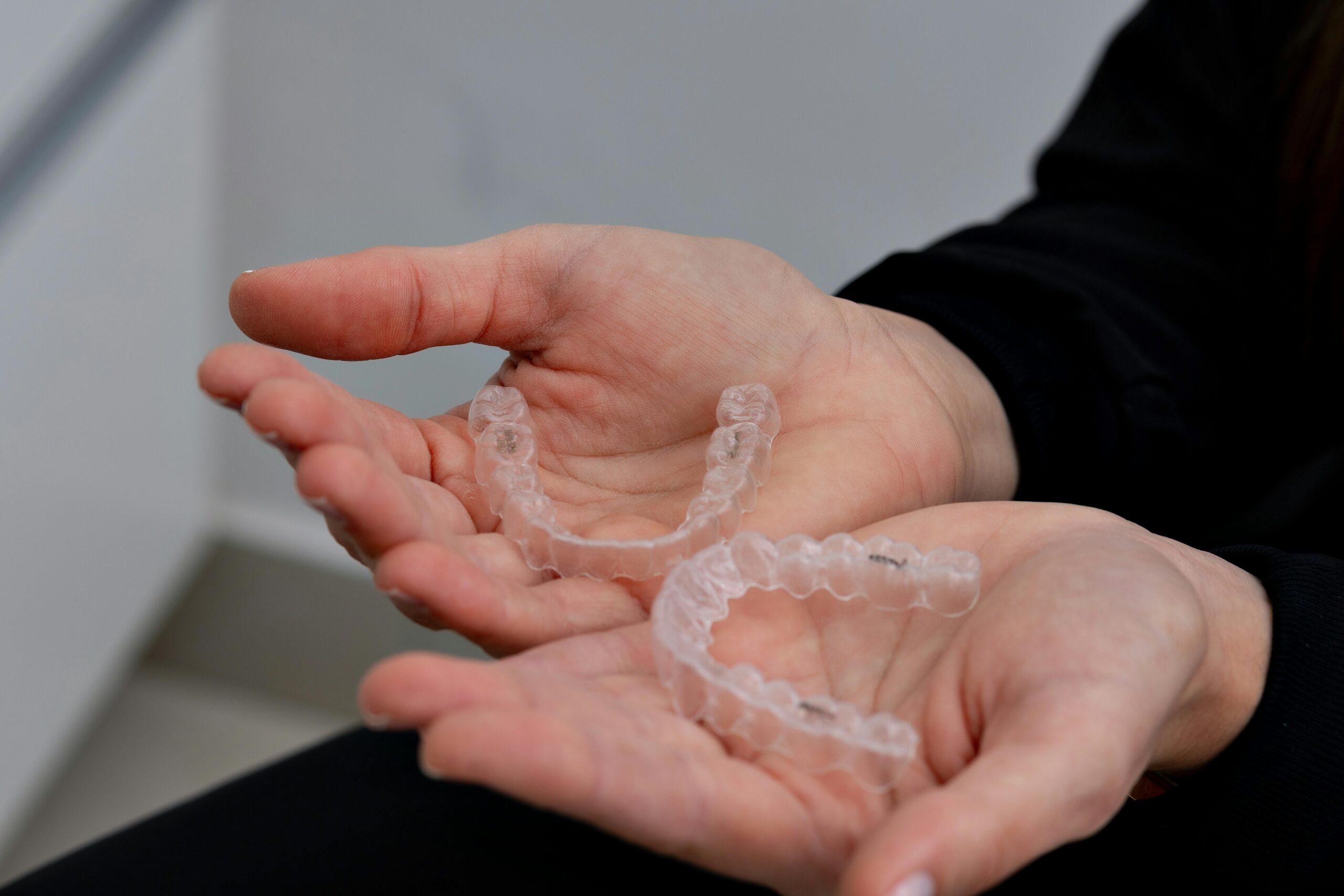
For a long time, fixed metal braces were the only option for straightening teeth. While they're still widely used and effective, advances in technology have brought more discreet and comfortable alternatives, such as clear aligners.
These treatments not only correct misaligned teeth, crossbites, or gaps, but also provide significant benefits for overall health. Proper alignment improves chewing, facilitates hygiene, and reduces the risk of future oral problems.
More than that, braces and aligners represent symbols of change. Getting braces is, in many cases, a self-care decision and a milestone in the life of someone who decides to invest in their own well-being.
The impact on bite and posture
It may seem surprising, but the way your teeth are aligned directly influences your posture. A misaligned bite can cause muscle tension, headaches, jaw problems, and even changes in your cervical spine.
When orthodontic treatment corrects the positioning of teeth, it not only improves your smile but also contributes to a more balanced body posture. This benefit goes far beyond aesthetics: it means more comfort in daily life, less pain, and an increased sense of physical well-being.
Furthermore, chewing properly is essential for digestion. When your bite isn't aligned, food isn't properly ground, which can overload the stomach and even cause intestinal discomfort. In other words, a straight smile directly impacts the body as a whole.
The emotional well-being behind the smile
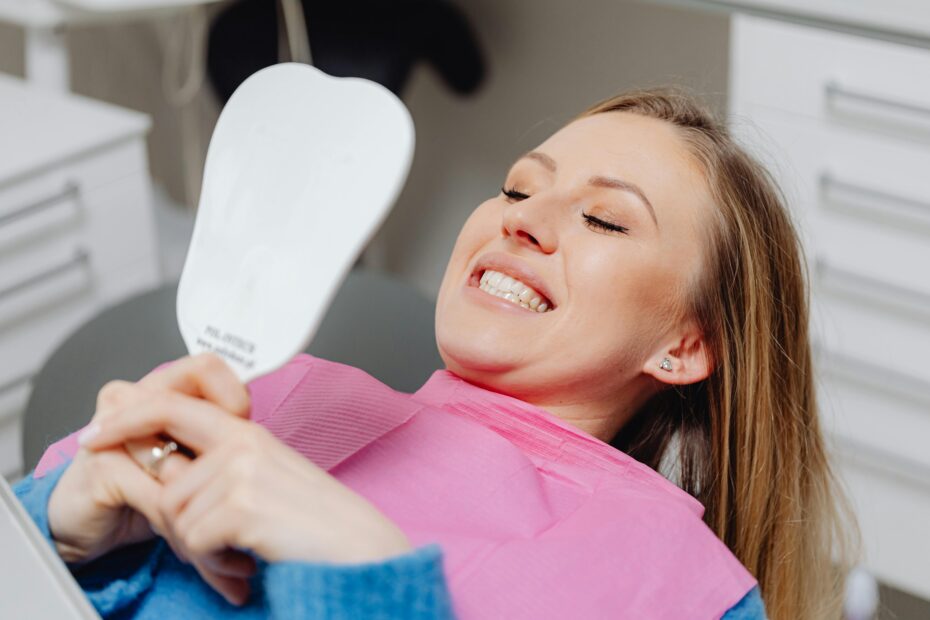
Smiling without fear is liberating. People who undergo orthodontic treatment report a change not only in the mirror, but also in the way they interact with the world. The increase in self-esteem is visible: they feel more comfortable smiling in photos, speaking in public, and even starting conversations.
This emotional gain is powerful because it impacts important areas of life. Professionally, a confident smile conveys credibility and openness. Personally, it enhances a sense of belonging and attracts more genuine connections.
More than straight teeth, what is achieved is a direct reflection on self-perception: the person begins to see themselves as someone who deserves care and attention, which reverberates in other aspects of their routine.
Aesthetics and functionality walking together
One of the biggest misconceptions is that braces and aligners are only for making teeth look better. The truth is that aesthetics and functionality go hand in hand.
A harmonious smile is the result of a balanced oral system. This means well-positioned teeth, properly functioning orofacial muscles, balanced temporomandibular joints, and efficient chewing.
In other words, the quest for the "perfect smile" often begins with aesthetic desire, but ultimately results in overall health improvements. It's a clear example of how vanity can open doors to much broader benefits.
Challenges and overcoming during treatment
Anyone who has ever worn braces or aligners knows that the process requires patience. There's discomfort, frequent adjustments, and even moments of insecurity. However, each stage is also an opportunity for emotional strengthening.
Facing this period is, in many cases, an exercise in resilience. The patient learns to cope with changes, adapts their oral hygiene routine, and recognizes that significant transformations take time.
This learning is reflected in self-esteem: it's not just the smile that changes, but also the way we face our own challenges.
Oral hygiene: an essential part of the process
When talking about self-esteem and orthodontics, it's impossible to ignore the importance of oral hygiene. Wearing braces or aligners requires extra discipline when brushing and flossing.
Proper cleaning not only ensures effective treatment but also prevents problems such as bad breath, gingivitis, and tooth stains. This means the patient not only achieves a straight smile, but also a healthy, long-lasting smile.
This care reinforces an important message: taking care of your oral health also means taking care of your personal image and emotional well-being.
When aesthetics become an impetus for self-care
It's interesting to note how many people decide to get braces or aligners motivated by the desire to improve their appearance, but throughout the process they notice much greater benefits.
Aesthetic desire serves as a gateway, but the results go further: improved posture, muscle balance, prevention of oral problems, and even reduction of chronic pain.
This shows how the search for beauty can become an invitation to deeper, more comprehensive self-care.
A smile that reflects who you are
A smile is an expression of identity. It conveys emotions, transmits energy, and connects people. When cared for, it naturally reflects the best version of each person.
Self-esteem isn't built solely in the mirror, but also in how an individual feels about the world. And, in this sense, the benefits of oral health and orthodontic treatments are invaluable.
A healthy, straight smile is more than just aesthetics: it's about well-being, confidence, and quality of life.
Conclusion: beyond the mirror, a reflection of well-being
Oral health goes far beyond beautiful teeth. Braces and aligners are powerful tools that impact not only appearance, but also posture, bite, digestion, and, above all, self-esteem.
Taking care of your smile means taking care of yourself on multiple levels. It's recognizing that the body works as an integrated whole and that small adjustments can bring about big transformations.
In the end, smiling is just the tip of the iceberg: the real benefit is feeling good about yourself, confident, and ready to show the world your best self.