
For many years, I heard stories of women struggling with pain, swelling, and the constant struggle to accept their own bodies. Only after in-depth research did I begin to understand more about lipedema and realize how many people live this reality without even a diagnosis. When I discovered that diet can, indeed, improve the well-being of those living with lipedema, everything changed in my perspective on the subject.
It's not an easy journey. I found myself questioning habits, reviewing small daily choices, and seeking quality information. After all, self-care begins where you least expect it: in your relationship with food. Putting guilt aside, I sought to understand what could truly make a difference, trying to bring not only flavor but also comfort to the plate.
What is lipedema and why does nutrition matter?
Lipedema is a condition characterized by the abnormal accumulation of subcutaneous fat, primarily in the legs, hips, and sometimes the arms. Often confused with obesity or fluid retention, it can cause discomfort, pain, a feeling of heaviness, and, of course, emotional impact.
Small changes to your plate can transform every day.
In my understanding, nobody deserves to live waiting for magic solutions. What I've realized is that there's no absolute restriction or miracle diet for lipedema . However, a more balanced diet helps alleviate symptoms and promotes emotional balance.
How does diet impact lipedema?
As I began to study the topic further, I realized that diet can affect lipedema on two main fronts: inflammation and fluid retention. Excessive consumption of certain foods can aggravate swelling and discomfort, while more natural, anti-inflammatory choices can provide relief without creating a punitive relationship with food.
It makes sense to pay attention to how we feel after each meal. Understanding our own signals is a delicate learning process, almost a reconnection with our body.
Anti-inflammatory foods: a possible path
- Red fruits, such as strawberries and blackberries
- Fish rich in omega-3, such as sardines and salmon
- Extra virgin olive oil
- Turmeric and ginger
- Dark green vegetables, such as spinach and broccoli
These foods, incorporated with care into your daily routine, can help reduce inflammatory processes that increase discomfort.
 What to avoid in your eating routine?
I recognize: it's easy to get lost in the temptations of everyday life. But I've understood, in practice, that certain foods tend to worsen lipedema symptoms. I prefer not to live by "I can't have it," but to create awareness. Excess salt and sugar, ultra-processed foods, fried foods, and alcoholic beverages end up intensifying the feeling of bloating and discomfort . Soft drinks, processed foods, and packaged meats are also almost always on this list.
Of course, I'm realistic: sometimes, overindulgence happens. It's no reason to feel guilty, just an invitation to consider the effects and adjust, if possible, at your next meal.
Hydration: the role of water in daily well-being
One thing that caught my attention is how much hydration influences lipedema. When I drink little water, I notice my body feels heavier and less energetic. I also notice that when I drink more fluids, especially water, the symptoms become less intense.
- Natural water throughout the day
- Unsweetened teas, especially herbal teas like hibiscus and horsetail
- Avoid excess sugary drinks
It seems simple. But I've already experienced the difference drinking two extra glasses of water a day makes, and to be honest, I've noticed a shift in my well-being. Small actions really do matter.
Planning: how to create a careful eating routine?
At first, I found it exhausting to think about what to eat. Then it became a self-care exercise. My meal plan for managing lipedema began with honest questions: What foods make me feel better? What aggravates my symptoms?
- Create a colorful plate with a variety of vegetables, legumes, and lean proteins.
- Prioritize fresh foods, avoiding ultra-processed foods whenever possible.
- Eat slowly, paying attention to signs of satiety.
- Keep a bottle of water nearby, making it easier to stay hydrated throughout the day.
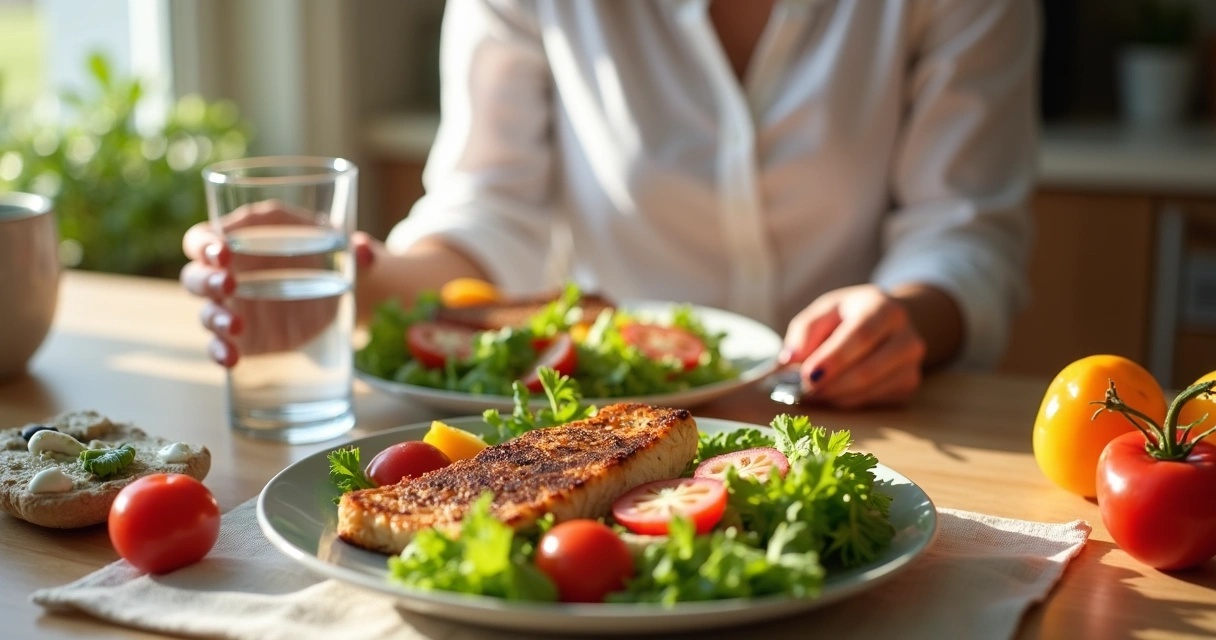
I created, without pressure, some rituals: a nice salad for lunch, tea in the afternoon, less rushing when chewing. The secret? Not striving for perfection, but consistency.
 Symptoms, emotions and the relationship with food
I'd like to talk about something I've noticed: lipedema often triggers insecurities, guilt, and even binge eating. In these moments, food stops being just nourishment and becomes an emotional refuge or a source of suffering.
No food alone will solve the problem, but taking a good look at yourself helps a lot.
When I allowed myself to respect my limits and listen to my body, my relationship with food gradually changed. I understood that by relaxing rigid rules, my eating became more intuitive. Bad days come, but they pass. I sought to replace punishment with kindness, accepting mistakes without drama.
Example of a light menu for everyday life
I see a lot of people asking for practical ideas, and I always make a point of reminding them: everyone's body responds differently, and there's no set standard. But having a starting point can inspire:
- Breakfast: Plain yogurt, chia, strawberries, and avocado slices
- Morning snack: Chestnuts and fresh fruit
- Lunch: Brown rice, beans, grilled fish fillet, cooked carrots and arugula
- Afternoon snack: Hibiscus tea and a slice of papaya
- Dinner: Vegetable soup (zucchini, spinach, sweet potato, shredded chicken)
- Supper (optional): Chopped fruit with mint
This menu is just a starting point. It can and should be adapted to suit your tastes, availability, and schedule.
Listening to limits and seeking support
Let me be clear: every person is unique, and it's normal for doubts and difficulties to arise. Sometimes, symptoms persist even with all the care taken. If you feel the need, seeking professional guidance makes all the difference.
Listening to your body is more important than following any rules.
Conclusion
Ultimately, what I've learned most from living closely with lipedema is that food is an ally, not an enemy. The secret isn't cutting everything off your plate, but understanding your own body and acting with kindness. A carefully planned eating routine brings comfort, reduces symptoms, and helps cultivate self-esteem . Despite setbacks and successes, I continue to believe that the relationship with food can be light, even in the face of challenges.
Frequently asked questions about nutrition and lipedema
What is lipedema?
Lipedema is a chronic condition that causes the accumulation of subcutaneous fat, usually in the legs, hips, and sometimes the arms. It often causes pain, swelling, and a feeling of heaviness in these areas, as well as affecting the emotional well-being of those living with the condition.
What foods help with lipedema?
Red fruits, fish rich in omega-3 fatty acids, olive oil, dark green vegetables, ginger, and turmeric are examples of foods that help relieve the symptoms of lipedema, thanks to their anti-inflammatory effect. Adequate hydration also contributes to an overall improvement in well-being.
What to avoid in your daily diet?
Avoid frequently consuming ultra-processed foods, excess salt and sugar, fried foods, soft drinks, and alcoholic beverages. They tend to worsen the feeling of bloating and the discomfort of lipedema.
Can diet relieve lipedema symptoms?
Yes, a balanced and anti-inflammatory diet can help reduce symptoms such as pain and swelling, as well as improve emotional well-being. There is no miracle diet, but creating a healthier daily eating pattern makes a difference in your routine.
How to create a menu for lipedema?
Create a varied menu with fruits, vegetables, lean proteins, and whole grains. Choose fresh, natural foods, avoid excessive processed foods, and pay attention to your body's signals, adjusting your menu accordingly.