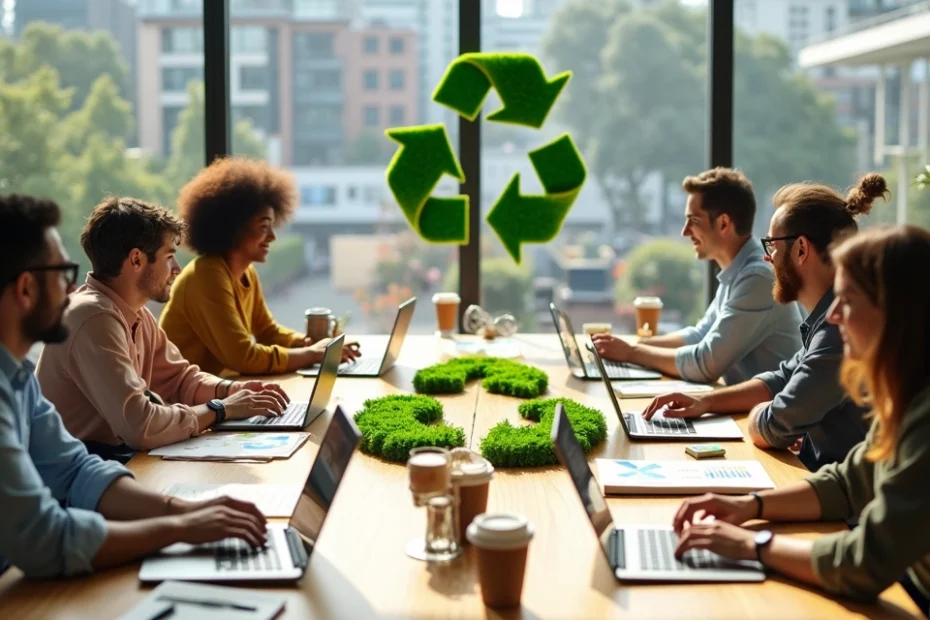
Looking to the future of small businesses, we see a promising path in the circular economy. Increasingly, consumers want transparency, material reuse, and environmental responsibility in the brands they choose. Therefore, we enjoy discussing how circular practices can open doors and transform challenges into new opportunities, especially for smaller businesses.
What is the circular economy and why is it important to us?
In our understanding, a circular economy is a production and consumption model that focuses on the constant reuse of resources. In this context, everything is designed to reduce waste and maintain the value of materials for as long as possible. Materials return to the chain, are reused, recycled, or transformed into new products.
Today's trash can be tomorrow's resource.
When we look at small businesses, we feel that the circular economy represents a chance to develop creative solutions, spend less on raw materials, and stand out in the market.
How can the circular economy benefit small businesses?
Small businesses have more flexibility and can experiment with new practices quickly. This makes using circular ideas a great advantage in day-to-day operations. Here are some direct benefits:
- Cost reduction: Reusing materials and reducing waste leads to significant savings.
- Constant innovation through leveraging waste to create new products or services.
- Connecting with consumers who value responsible companies.
- Improving brand image and sustainable positioning.
- New revenue streams by transforming waste into business opportunities.
We are seeing more and more cases of small businesses that manage to engage their customers by showing how their products have a story, reuse materials, or follow a more transparent cycle.
Practical examples of application
Let's delve into examples that, in our experience, can inspire those who are starting or already have a small business. It's not just about recycling, but about redesigning entire processes.
Crafts made from recycled materials
Think of small workshops that create accessories by reusing leftover fabrics from large clothing manufacturers. By transforming the "leftovers" into raw materials, they generate unique products and prevent these items from becoming waste. Furthermore, customers like to know the origin and story behind the piece.
Repair and maintenance services
Repairing objects is simple and powerful within the circular economy. Small businesses that work with electronics repair, sewing, or household items actively contribute to preventing premature disposal and encourage a culture of care and durability.
Refills and returnable packaging
Stores selling cleaning products or cosmetics can adopt refill schemes. This not only saves on packaging but also fosters a more frequent and closer relationship with customers. This model also allows for customization of volumes and packaging, making consumption more conscious.
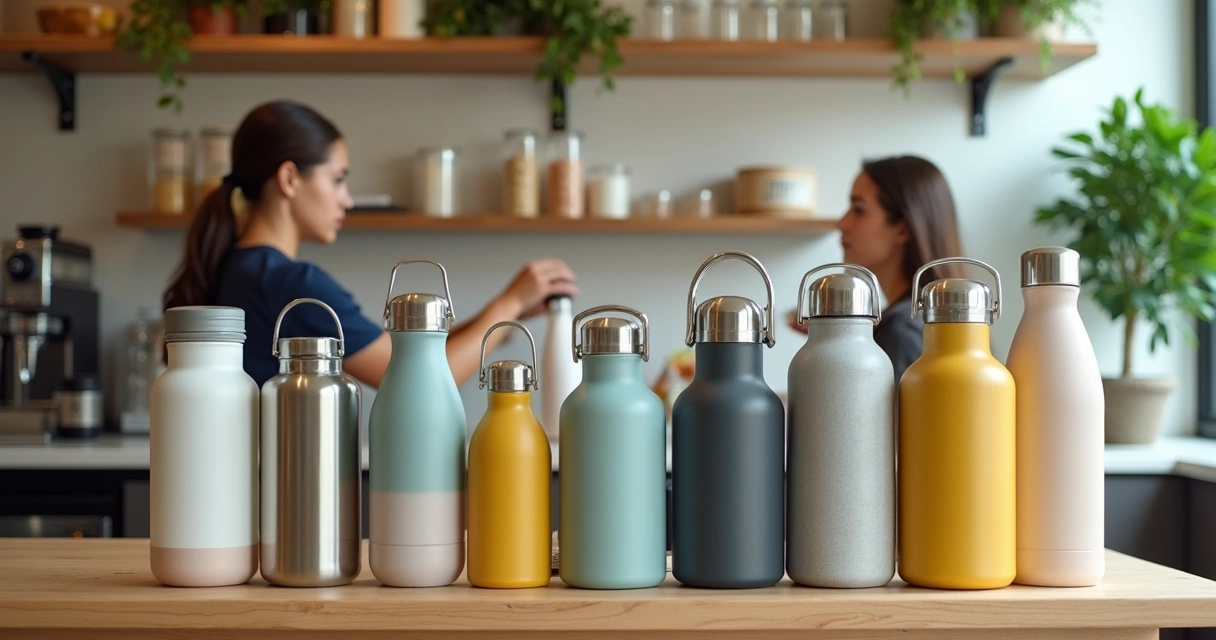
Initial steps to adopting the circular economy.
Sometimes we're unsure how to begin. In our experience, thinking about a circular economy doesn't require large initial investments. It's possible to incorporate changes in small steps:
- Analyze the waste generated: Observe what is frequently discarded and list materials that are still useful.
- Seek partners who work with recycling or reverse logistics.
- Rethinking products or services, focusing on durable, modular, or easily repairable items.
- Engaging with clients about sustainability and involving people in the circular purpose.
- Communicate the changes in a transparent and inviting way.
Small changes can have an impact. We're surprised by how many customers react positively when we show that we care about using less plastic or offering returnable packaging.
Difficulties encountered along the way
We have always believed in sincerity when discussing business. Adopting the circular economy, while promising, is not always a simple process.
- Lack of technical information or unreliable suppliers.
- Resistance to change, both from customers and the team.
- Challenges in finding reusable raw materials in sufficient quantity or regularity.
It's common to need to adapt circular ideas to the reality of the neighborhood, city, or clientele. That's why we start small and test solutions, adjusting as we learn.
How do you communicate the circular purpose?
We've observed that storytelling makes all the difference. By showcasing the product lifecycle and the customers' role in that process, we create stronger and more authentic connections.
- Showcasing before-and-after photos of transformed waste on social media.
- Create labels that provide information about the origin of the material.
- Offer workshops or events about recycling.
- Invite customers to return packaging and reward this behavior.
Those who share purpose create connection.
People want to engage in initiatives they find legitimate. When we share each step, we show that we are united in a greater goal.

Accessible technological solutions
Today, there are many accessible digital tools that help track waste, register packaging returns, or facilitate the exchange of materials between local businesses. Exchange platforms, selective collection apps, and management software make this start easier, even for those with a lean structure.
Where can we find partnerships and inspiration?
When we think about moving forward, we like to seek out groups of local entrepreneurs, cooperatives, and associations. Often, these partnerships bring waste suppliers, technical guidance, or even microcredit lines for projects with a positive environmental impact.
By connecting with others who believe in circularity, we gain more strength to face challenges and innovate together.
Circular economy as a growth strategy
With everything we've discussed, we see the circular economy not just as a trend, but as a real growth strategy for small businesses.
- Creating unique and personalized products.
- Better use of financial resources, due to reduced waste.
- Differentiation in the market.
- Co-creation with clients and suppliers.
- Building an engaged community.
Every small change in how we produce, sell, or interact with customers makes a difference. We don't need to change everything at once. The most important step is to start, learn, adjust, and keep moving forward.
Circular businesses thrive because they inspire transformation beyond the product.
Conclusion
In our view, investing in the circular economy offers small businesses a concrete opportunity to innovate in an accessible, responsible way, connected to the desires of a new generation of consumers. The market increasingly seeks brands that have purpose and creative solutions to environmental and social challenges. Moving in this direction is, without a doubt, creating value where others see only waste.