Hair on the Floor, in the Brush and in the Shower: When Hair Loss Goes Too Far
It's hard to find someone who hasn't been concerned about seeing strands of hair scattered on the floor or accumulated in their brush. Most of the time, this is perfectly normal. After all, losing between 50 and 100 strands of hair a day is part of the hair's natural cycle.
The problem begins when this amount visibly increases, the scalp starts to become more visible and, along with the hair, self-esteem also goes away.
But what causes this dreaded hair loss? The answer may surprise you, because there are many factors behind it — some simple, others more complex.
Understanding the Hair Cycle: When Hair Loss is Normal
Before delving into the reasons that lead to hair loss, it is essential to understand how the hair strand's life cycle works.
Hair goes through three main phases:
-
Anagen phase (growth phase): This is the longest phase, which can last from 2 to 7 years. It is when the hair grows actively.
-
Catagen Phase (transition): a short phase, lasting a few weeks, where growth slows down and the follicle prepares for rest.
-
Telogen phase (shedding): the hair strand detaches from the scalp to make way for a new strand, and shedding occurs naturally.
In other words, losing hair daily is completely normal. However, when something throws this cycle off balance, the shedding phase can be prolonged or occur abnormally, resulting in excessive hair loss.
The Most Common Causes of Hair Loss: It's Not Always That Obvious
There are many possible causes of hair loss, and the source of the problem is not always easy to identify. Therefore, it is important to look out for other signs and, if necessary, seek professional help.
Here are some of the most common causes:
1. Stress: When the Mind Reflects on the Wires
Stress, especially when prolonged, is one of the biggest enemies of hair health. Situations of tension, anxiety, and nervousness can trigger a type of hair loss called telogen effluvium.
This type of hair loss is characterized by a large number of strands entering the shedding phase prematurely. Typically, the effect isn't immediate; hair usually begins to fall out significantly about 2 to 3 months after the stressful event.
Fortunately, when the cause is controlled, the condition tends to resolve within six months.
2. Nutritional Deficiencies: When Nutrients Are Lackful, Excesses Cause Hair Loss
Hair depends on a number of nutrients to grow healthily. Therefore, nutritional deficiencies can directly affect hair health.
The most common include:
-
Iron: its deficiency is one of the main causes of hair loss, especially in women.
-
Zinc: essential for strengthening hair.
-
B-complex vitamins: especially biotin (vitamin B7), essential for hair growth.
-
Vitamin D: helps with cell renewal and the follicle cycle.
-
Proteins: after all, hair is mainly made up of keratin, a protein.
Very restrictive diets, an unbalanced diet and intestinal absorption problems can cause these deficiencies.
3. Hormonal Changes: The Factor That Changes Everything
Hormones have a huge influence on the hair cycle. Therefore, any hormonal changes can affect growth and cause hair loss.
Some common examples:
-
Thyroid problems (hypothyroidism or hyperthyroidism)
-
Polycystic ovary syndrome (PCOS)
-
Postpartum: Many women experience significant hair loss in the months following the birth of their baby, also due to telogen effluvium.
-
Menopause: the reduction of female hormones, such as estrogen, can promote hair thinning.
4. Androgenetic Alopecia: The Famous Hereditary Baldness
This is one of the most well-known and feared types of hair loss, among both men and women.
Androgenetic alopecia is caused by the genetic sensitivity of hair follicles to the hormone DHT (derived from testosterone). Over time, the hair strands thin until the follicle stops producing hair.
In men, it usually begins with receding hairlines in the frontal region and at the crown. In women, thinning occurs more diffusely on the top of the head, without necessarily causing complete baldness.
5. Medication Use: Side Effects That Weigh on Your Head
Some medications can have hair loss as a side effect, including:
-
Antidepressants
-
Contraceptives
-
High blood pressure medications
-
Chemotherapy
-
Anticoagulants
In these cases, it is essential to talk to your doctor to evaluate alternatives or ways to minimize the problem.
6. Autoimmune Diseases: When the Body Attacks Its Own Hair
Alopecia areata is an example of autoimmune hair loss, where the immune system attacks the hair follicles. It causes circular or oval patches of hair loss on the scalp, which may regress spontaneously or require medical treatment.
Other autoimmune diseases can also affect hair, such as lupus and psoriasis.
Other Factors That Also Deserve Attention
In addition to the causes mentioned, other factors can contribute to hair loss, such as:
-
Pollution
-
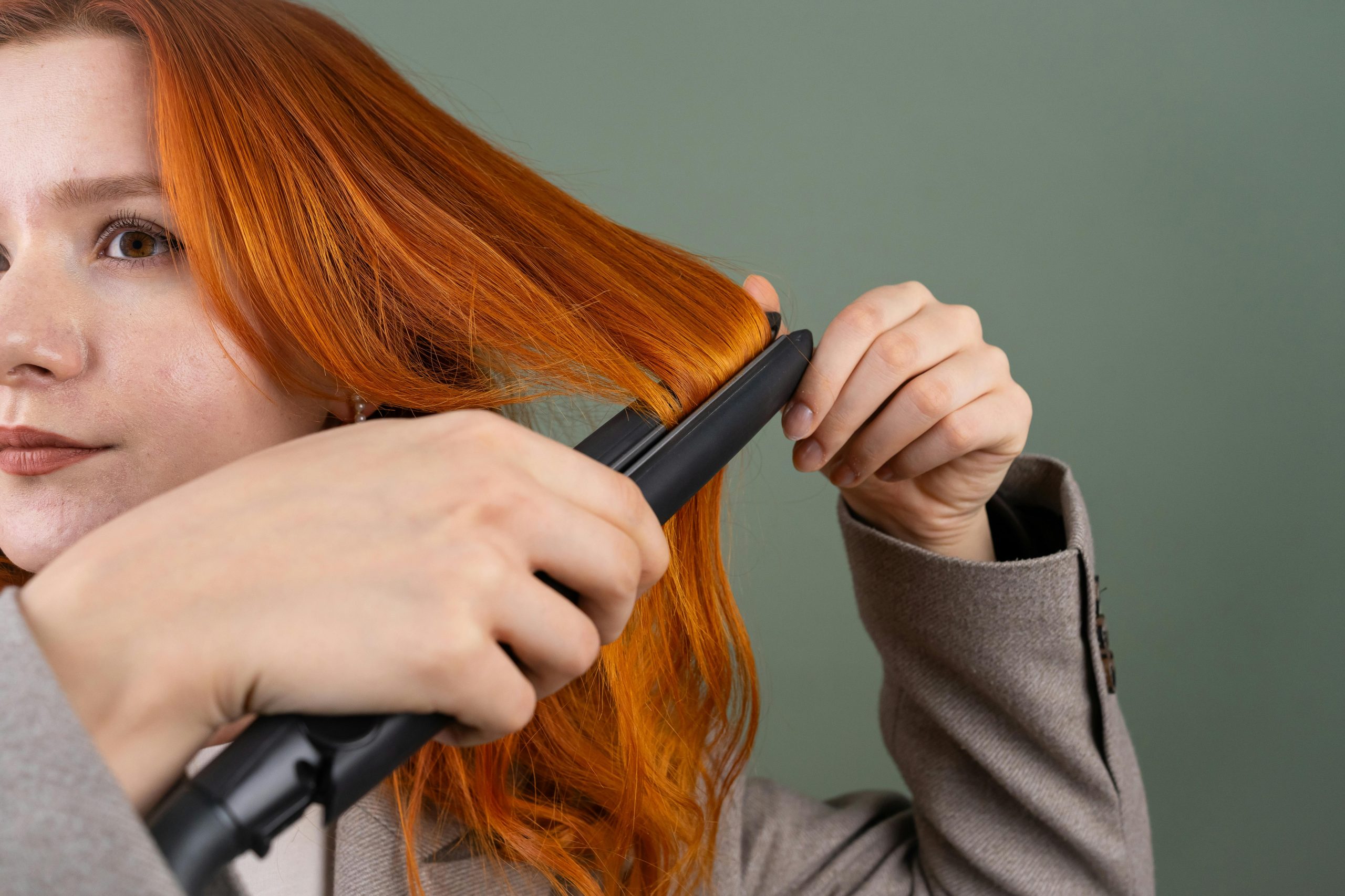
Excessive chemical procedures (straightening, dyeing, etc.)
-
Constant use of very tight hairstyles (traction alopecia)
-
Smoking
-
Excessive sun exposure without protection
Is There a Solution for Hair Loss? Yes, But the First Step is Correct Diagnosis
If you experience persistent or severe hair loss, the most important thing is to seek out a dermatologist who specializes in trichology (the area that studies hair and the scalp).
The professional may request blood tests to assess nutritional deficiencies, hormones, and other clinical conditions, in addition to analyzing the scalp with dermoscopy.
In many cases, the solution is simple — such as improving your diet, managing stress, or adjusting your medication. In more complex cases, however, longer treatment may be necessary.
Treatments That Can Help Recover Lost Hair
The ideal treatment depends on the cause of the hair loss. Some options include:
-
Nutritional supplements: when deficiencies are identified.
-
Minoxidil: a lotion or foam that stimulates hair growth, widely used in cases of androgenetic alopecia.
-
Finasteride: for male hormonal imbalances, always with a doctor's prescription.
-
Topical or injectable corticosteroids: for alopecia areata or scalp inflammation.
-
Low-level laser therapy: a technology that stimulates hair growth.
-
Microneedling or PRP (platelet-rich plasma) therapies stimulate hair follicles.
-
Hair transplant: indicated for irreversible cases, especially in advanced baldness.
Daily Care That Makes a Difference in Combating Hair Loss
Even if medical treatment is necessary, some daily habits help protect the scalp and minimize hair loss:
-
Wash your hair regularly, without too much or too little.
-
Use mild shampoos suitable for your scalp type.
-
Avoid excessive heat (straightener, hairdryer, curling iron).
-
Massage your scalp while showering to stimulate circulation.
-
Take care of your diet and stay well hydrated.
-
Avoid tying your hair too tightly.
Healthy Hair, Renewed Self-Esteem: It's Possible to Feel Good Again
Hair loss isn't just a cosmetic issue—it directly impacts self-esteem. Men and women who face this problem often feel embarrassed, insecure, and even avoid social situations.
Therefore, seeking medical help is an act of self-care and courage.
With the right diagnosis, adequate treatment and patience, it is possible to control hair loss, restore hair and, most importantly, regain self-confidence.
Your hair tells your story, but it doesn't define who you are.
Take care of him with love, but take care of yourself with even more love.
And remember: hair loss has a solution. You're not alone.