
Throughout my life, I've heard frequent questions about lipedema and physical activity. Perhaps due to a lack of knowledge about the condition or even fear of worsening it, many people end up distancing themselves from exercise. I understand this fear, but I deeply believe in the power of practical, accessible information to transform routines and even alleviate symptoms.
What is Lipedema and How Does It Affect the Body?
Before discussing the exercises, I need to explain how I perceive lipedema. It's a change in adipose tissue, characterized by the accumulation of subcutaneous fat, mainly in the legs and arms. It occurs most often in women. It hurts, swells, and is heavy. Those who experience it know the daily impact of these sensations.
From my experience with accounts and readings, I've learned that lipedema rarely improves with diet alone. And, despite being confused with obesity or lymphedema, there are unique characteristics: lipedema generates painful, symmetrical fat that is resistant to changes with regular diet.
Benefits of physical exercise for lipedema
During my research, some evidence always emerges: moving your body brings relief. I'm not talking about miracles. Movement makes a difference because it improves circulation, reduces discomfort, helps drain fluids, and, of course, contributes to emotional well-being.
Moving your body can be self-care, not punishment.
- Reduces swelling in legs and arms;
- Improves muscular strength and endurance;
- Helps control chronic pain;
- Prevents stiffness and improves flexibility;
- Contributes to self-esteem and autonomy.
Types of exercises most recommended for lipedema
When it comes to lipedema, I find it's best to focus on low-impact activities that promote circulation. I'll explain some options and how I usually approach them.
Walking and cycling
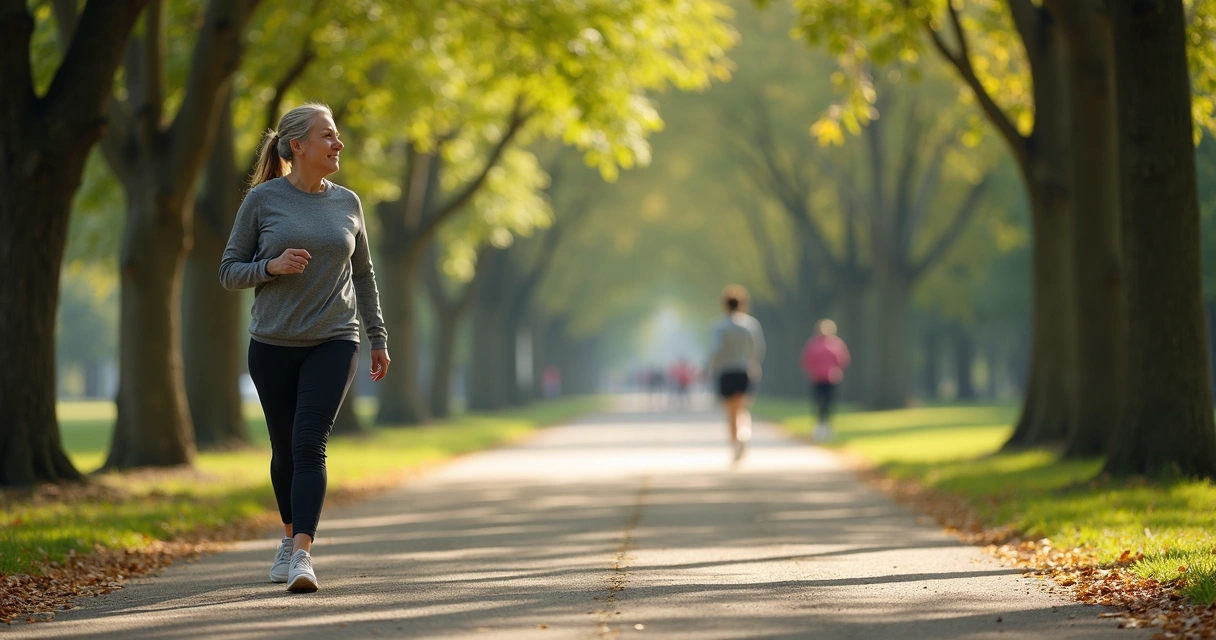
Regular walking stimulates circulation and reduces the feeling of heaviness in the legs . A daily 30-minute walk at a comfortable pace already produces positive sensations. Cycling, whether stationary or outdoors, is also kind to the joints and strengthens the lower limbs without overloading them.
 Water exercises
Water always appears to be a helpful ally. Swimming, water aerobics, or simple walks in a pool: all help relieve the strain on joints. People I know report less pain after classes, even when they arrive tired.
- Water facilitates drainage and reduces gravity on the affected areas;
- Allows light movements, without trauma;
- Stimulates venous return, which is important for swelling.
Strength training (light weight training)
It may sound strange to talk about strength training for those who suffer from pain, but I understand that it doesn't mean lifting maximum weights. Exercises with resistance bands, light weights, or your own body weight promote strengthening without requiring impact or sudden movements.
If I could give one piece of advice, it would be:
Choose light loads, focus on technique, and respect daily limits.
Pilates and yoga
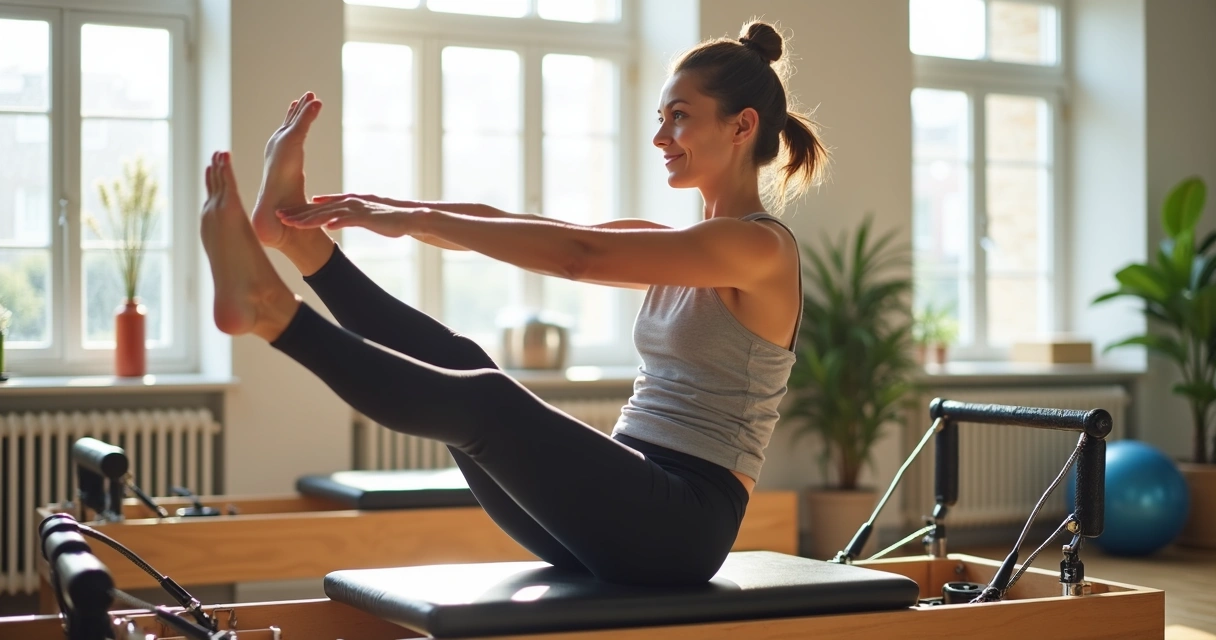
These practices work far beyond the muscles. They improve posture, body awareness, and breathing. In the reports I've seen, consistent stretching and strengthening of specific areas, such as the glutes and abdomen, makes a noticeable difference in daily comfort.
 Stretching and mobility
Sometimes we underestimate the power of stretching. However, for those with lipedema, preparing and relaxing the body should be a routine. Dedicating a few minutes at the beginning and end of your workout often prevents injuries and ensures greater well-being.
Important precautions when starting exercises
In my experience, starting small makes all the difference. It's okay to invest just ten minutes a day and increase as your body adapts. Everyone's body reacts differently, and comparing progress often brings more frustration than encouragement.
I always remember some premises:
- Avoid repetitive high-impact exercises such as jumping or intense running;
- Prioritize appropriate sneakers and comfortable clothing;
- Seek guidance to develop an individualized plan;
- Watch your body's signals: if an activity increases pain or swelling, adjust or replace it.
What can make practice difficult
Talking to people who live with lipedema, I notice common points of difficulty in incorporating physical activity:
- Pain during and after exercise;
- Fear of worsening the condition;
- Difficulty accepting one’s own body in gyms or swimming pools;
- Lack of time or energy.
Doubts arise. Sometimes, shame too. I empathize with these challenges. I don't judge those who feel like giving up. I just think that persisting little by little, celebrating small achievements, even if it's just 5 extra minutes of activity, is a start.
Strategies for training more comfortably
Adopting strategies makes everything simpler. Here are a few that I've seen work for many people:
- Choose the time when you feel less bloated;
- Use compression stockings if recommended by a professional;
- Choose welcoming environments or try to train with people who know your condition;
- Break up your training: two short sessions a day may be better than one long one;
- Listen to music to relax your mind and distract yourself from discomfort;
- Record small gains to see real improvements.
Conclusion
Ultimately, I think the most important thing is to adapt the activity to each person's reality, respecting limitations, listening to the body, and valuing any progress, however small it may seem.
Lipedema doesn't have to be synonymous with immobility or constant suffering. By seeking reliable information, support, and movement, it's possible to build a lighter, less painful, and undoubtedly happier routine. Persist, even if slowly. The journey is individual, but there are real possibilities for a better life.
Frequently Asked Questions About Lipedema and Exercise
What is lipedema?
Lipedema is a chronic condition characterized by the abnormal and symmetrical accumulation of subcutaneous fat, especially in the arms and legs. It causes pain, easy bruising, a feeling of heaviness, and can worsen over time. Although similar to obesity, it has different mechanisms and is not exclusively a consequence of overeating.
What exercises are recommended for lipedema?
Low-impact activities are recommended. Examples include walking, swimming, water aerobics, cycling, Pilates, yoga, and light weight training. The focus should always be on circulation, strengthening without overload, and symptom relief.
Does exercise make lipedema worse?
In most cases, appropriate exercise improves lipedema symptoms. However, very intense, high-impact activities, or those done without guidance, can increase pain or swelling. Therefore, listening to your body and seeking professional help is important.
Can I do bodybuilding with lipedema?
Yes, as long as the training is adapted. Weight training with light weights and careful movements brings benefits to strength and quality of life for those with lipedema. I recommend starting slowly and seeking guidance to avoid overdoing it.
What exercises should I avoid with lipedema?
Exercises with repeated impact (such as jumping, sprinting, or intense CrossFit) should be avoided, as they can increase discomfort and local trauma. Sudden movements, excessive weight lifting, and contact sports are also not recommended.